Eight documented programmes for whole food eating across the working week.
Each programme is independently structured with a written source rationale, a seasonal ingredient index, and a revision schedule. Members access all current editions and receive updates at each quarterly revision.

Whole Food Meal Planning
A structured seven-day meal planning framework built entirely around whole, minimally processed ingredients available from standard UK supermarkets and independent retailers. The framework accounts for two different schedule types: five-day standard office work and hybrid working patterns.
Each weekly plan includes a consolidated shopping list, a preparation sequence, and a storage guide. The plans are revised quarterly to incorporate seasonal produce availability. The current edition includes a London Borough Market sourcing annex.
- Seven-day whole food framework
- UK seasonal ingredient index — revised quarterly
- Office and hybrid schedule variants
- Consolidated shopping list per week

Batch Cooking Systems
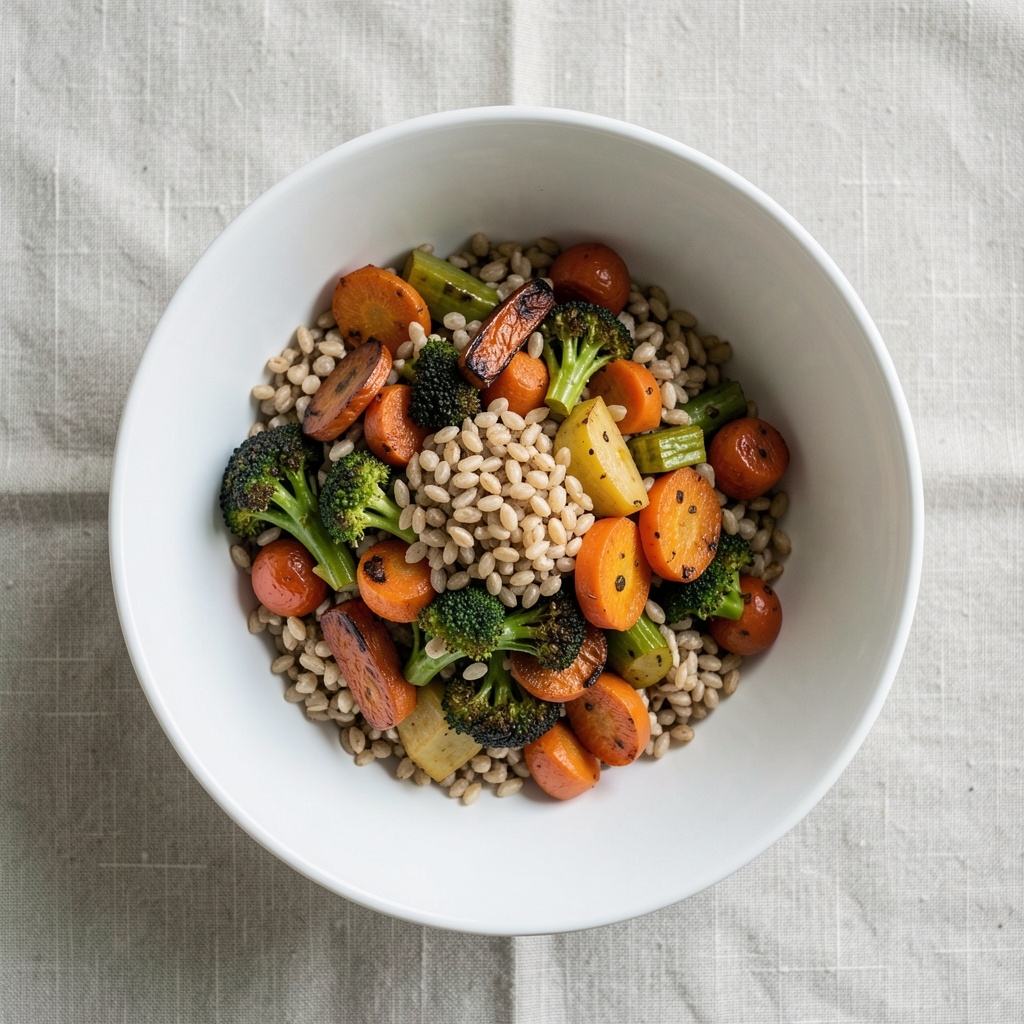
A documented two-hour batch cooking protocol that produces a full five-to-seven day supply of nutrient-dense main meals and portable lunches. The system is designed for a standard domestic oven, two hob rings, and a basic set of food-grade storage containers.
The protocol was tested specifically in smaller kitchen environments, including one-bedroom flat kitchens in London, to verify practical replication. Equipment requirements are listed explicitly. Storage durations are given per container type, verified against food safety guidance.
- Two-hour preparation window design
- Tested in small domestic kitchens
- Storage duration guidance per container
- Twelve recipe variants per season
Seasonal Eating Guidance
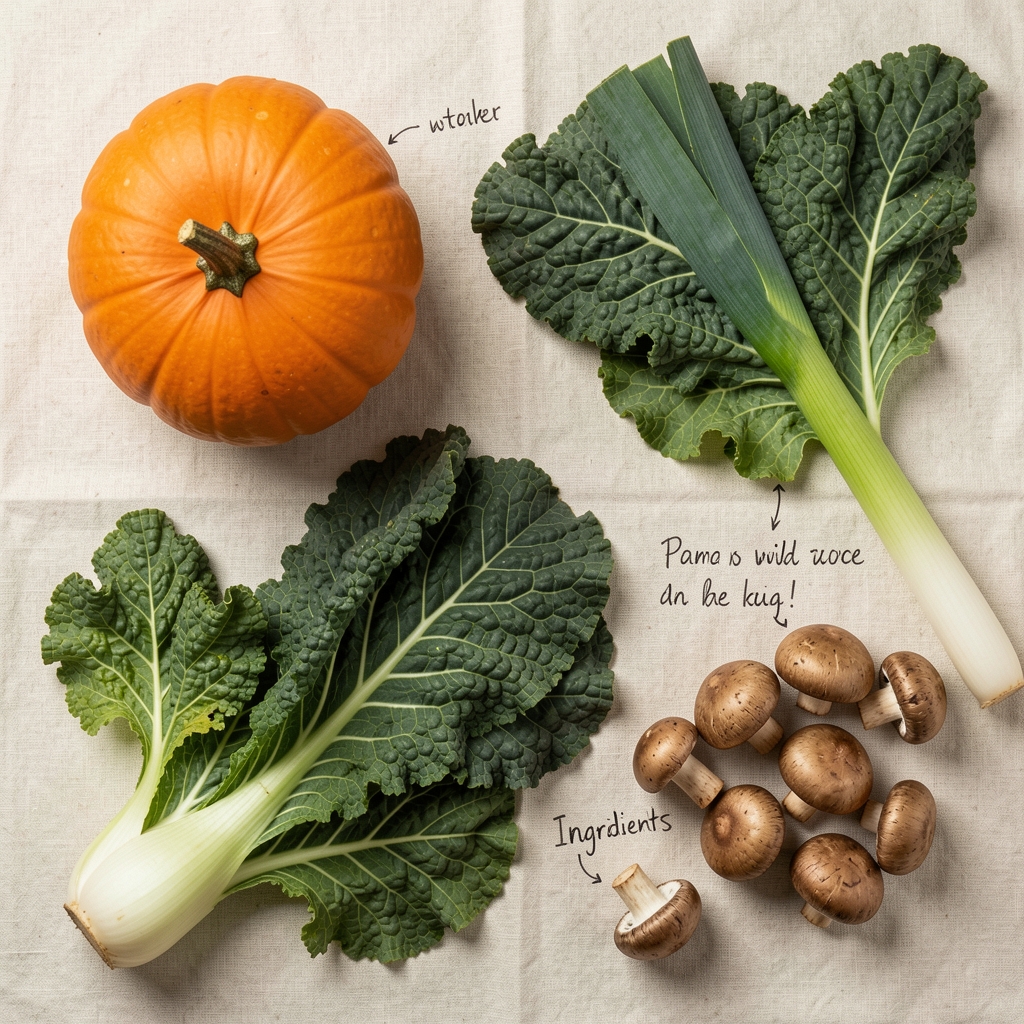
A quarterly guide aligned to the UK seasonal produce calendar. Each edition lists in-season ingredients with notes on their nutritional composition, peak availability window, preparation methods suited to quick weekday cooking, and approximate cost by retail channel.
The guide includes a Mediterranean-style eating framework adapted to UK seasonal availability — the specific combinations are adjusted per season rather than being constant year-round. Cross-reference tables show which nutrients are well-represented in each season's primary produce.
- Published four times annually
- UK seasonal produce calendar reference
- Mediterranean-style eating framework (UK-adapted)
- Nutritional composition notes per ingredient
Five additional programmes available to members.
Portion Awareness Training
A structured calibration framework using visual referencing and ingredient density as primary tools — no calorie counting required. The framework includes a reference card suitable for use at point of preparation, with visual anchors for eight primary food categories.
Reading Food Labels
A reference guide to UK food label conventions — ingredient order, additive notation, allergen declarations, reference intake figures, and the distinction between best-before and use-by dating. Covers the major UK retailer labelling formats with annotated examples.
Plant-Based Cooking Foundations
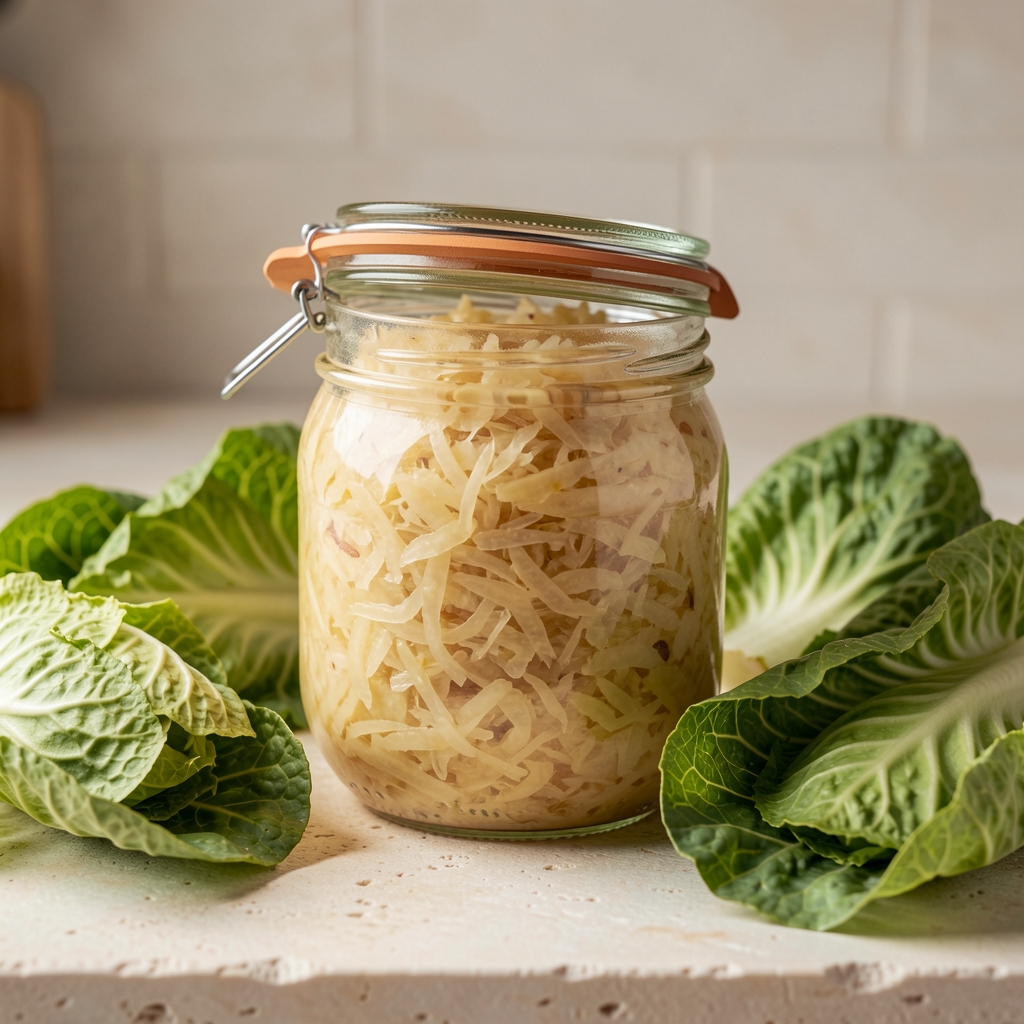
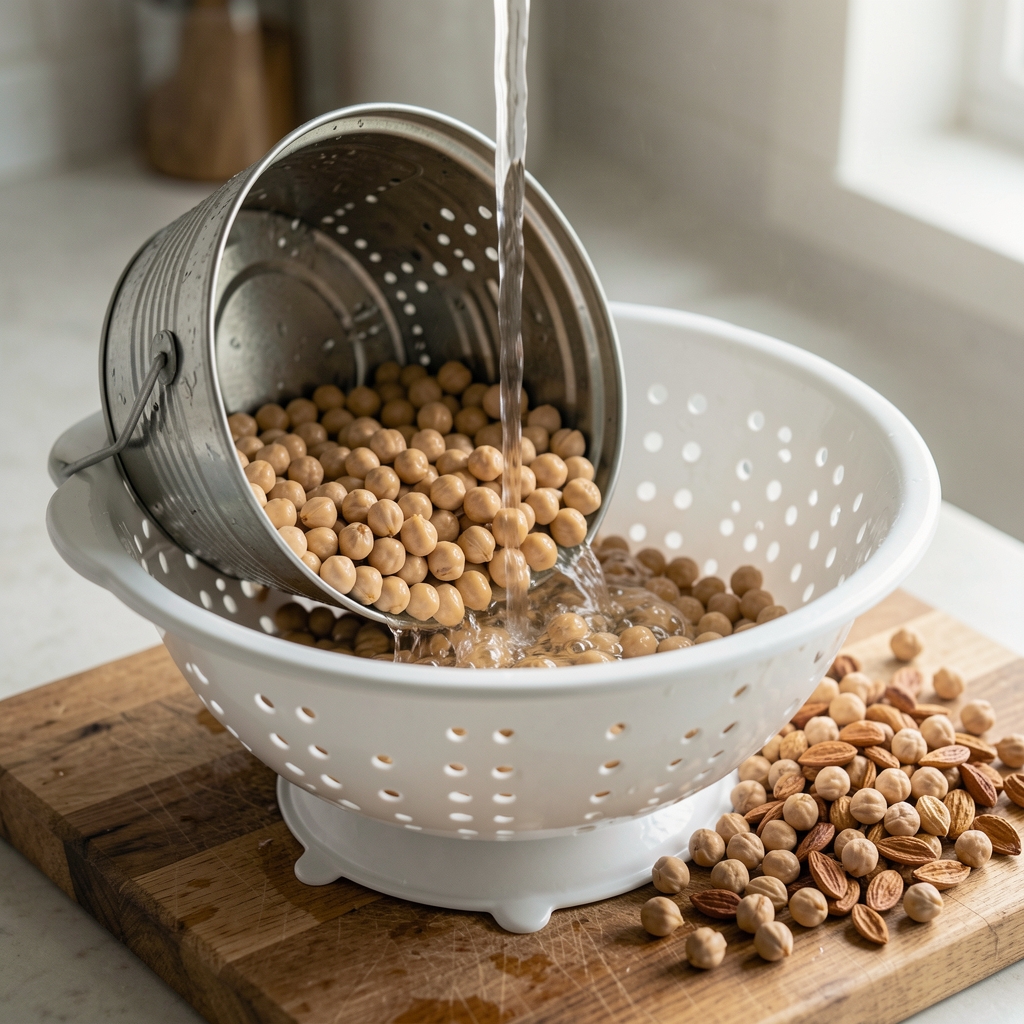
An introduction to plant-forward cooking built on culinary tradition rather than trend. Covers fermented foods — including kefir, kimchi, and sauerkraut preparation — alongside legume preparation, whole grain cooking, and the construction of gut-friendly recipes from pantry staples.
Anti-Inflammatory Food Integration
A structured guide to incorporating anti-inflammatory food categories — omega-3-rich sources, culinary herbs, colourful vegetables — into existing meal patterns without requiring the adoption of a separate eating framework. Integration is additive, not substitutive.
Pantry Staples Framework
A structured approach to the kitchen store as a planning document. The framework defines a core pantry list — thirty ingredients with documented shelf stability, flavour versatility, and compositional density — cross-referenced against UK seasonal availability. The list is designed for professionals who shop once or twice weekly and need reliable fallback options on unplanned low-preparation days. Revised quarterly with notes on any ingredient availability changes observed in the prior season.
Visual documentation from the studio record.

How ingredient recommendations are sourced and verified.
Oralu products are nutritional food supplements registered with the applicable local regulatory authority under food supplement classification. Products meet compositional and labelling requirements for nutritional supplement categories.
Ingredient profiles in Oralu guidance are selected based on published nutritional research and undergo independent batch verification for quality and labelling accuracy. Active ingredients are sourced from documented suppliers, with each batch accompanied by a certificate of composition. Sourcing prioritises suppliers whose facilities maintain food-grade processing standards.
The studio maintains a sourcing log for all ingredients referenced in published programmes. Each log entry records the supplier name, supply region, batch identification, date of first use, and any composition notes arising from the certificate review. Log entries are available to programme members on request.
We recommend speaking with a qualified wellness or nutrition professional before introducing any supplement to your daily routine, particularly if you have specific dietary requirements.
Access to all eight programmes through a single membership.
Members receive all current programme editions and all future quarterly updates. Initial enquiries are responded to within two working days.