Whole.
Food.
Wisdom.
A structured approach to everyday nutrition — grounded in whole food sourcing, portion awareness, and seasonal eating patterns that work within demanding professional schedules.
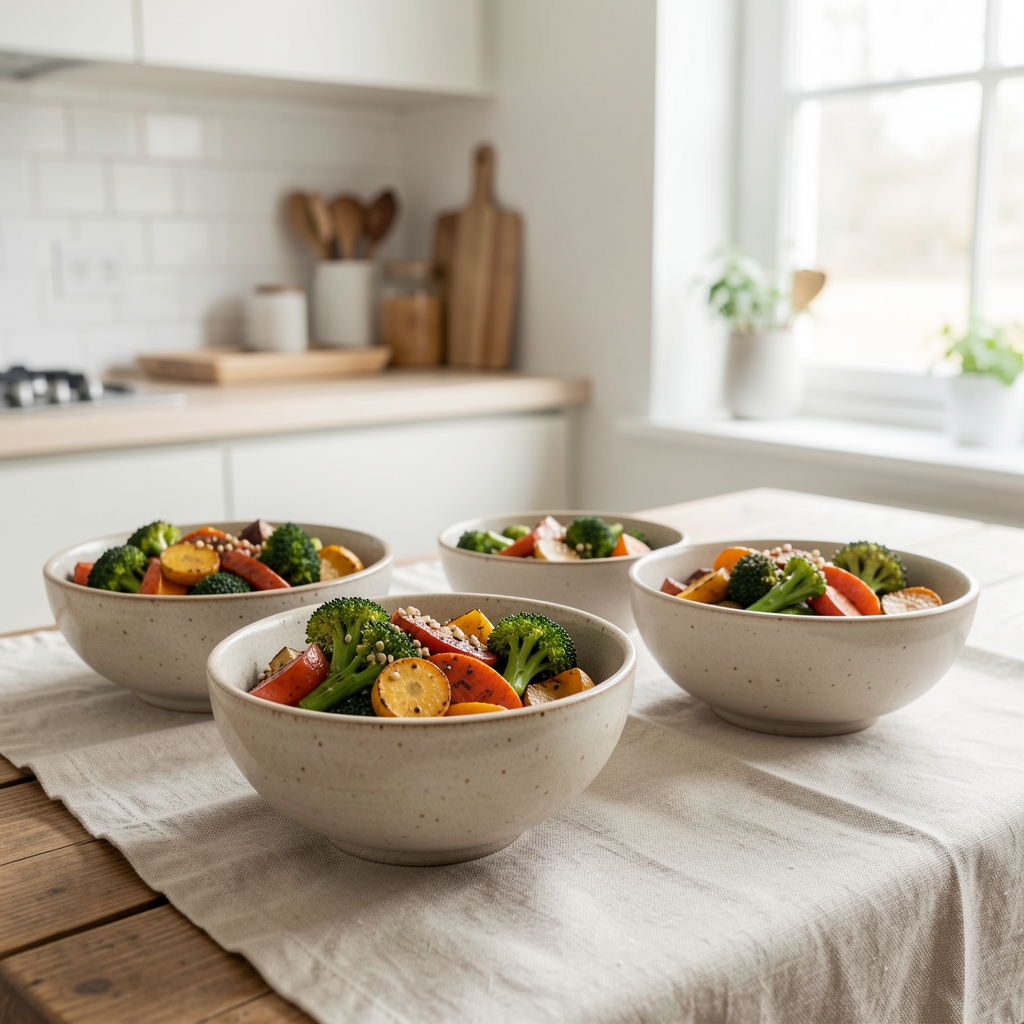
The relationship between a working day and what gets eaten across it.
About the SpecialistOralu operates from the observation that most people who struggle with consistent eating habits are not lacking information — they are working within constraints of time, cognitive load, and kitchen access that nutritional guides rarely address. The studio researches the intersection of professional scheduling and food quality, producing structured guidance that fits documented working patterns.
The approach draws on published evidence in nutrition science, food systems research, and behavioural economics. Guidance is documented, revised seasonally, and structured around a methodology that can be observed and reproduced. There are no proprietary formulas — only sourced materials and traceable reasoning.
Each service area produced by Oralu includes a written sourcing rationale, a seasonal update schedule, and a reference index. The studio maintains a record of each guide revision, numbered and dated, in its internal archive.
Six documented areas of nutritional guidance.
Each area is structured as a standalone programme, with a written rationale and a revision schedule updated four times annually.
Whole Food Meal Planning
Weekly planning frameworks built around whole, minimally processed ingredients. Schedules account for standard working hours and limited weekday preparation time.
Batch Cooking Systems
Documented batch cooking protocols that produce five to seven days of varied, nutrient-dense meals from a single two-hour preparation window.
Seasonal Eating Guidance
Quarterly frameworks aligned to UK seasonal produce calendars. Each edition lists in-season ingredients, their compositional profiles, and suggested preparation methods.
Portion Awareness Training
A structured approach to portion calibration that does not rely on calorie counting. The framework uses visual referencing and ingredient density as primary calibration tools.
Food Label Reading
A reference guide to UK food label conventions. Covers ingredient sequence, additive notation, allergen declarations, and the distinction between best-before and use-by dating.
Plant-Based Cooking Foundations
An introduction to plant-forward cooking built on culinary tradition rather than trend. Covers fermented foods, legume preparation, and grain cooking as pantry fundamentals.
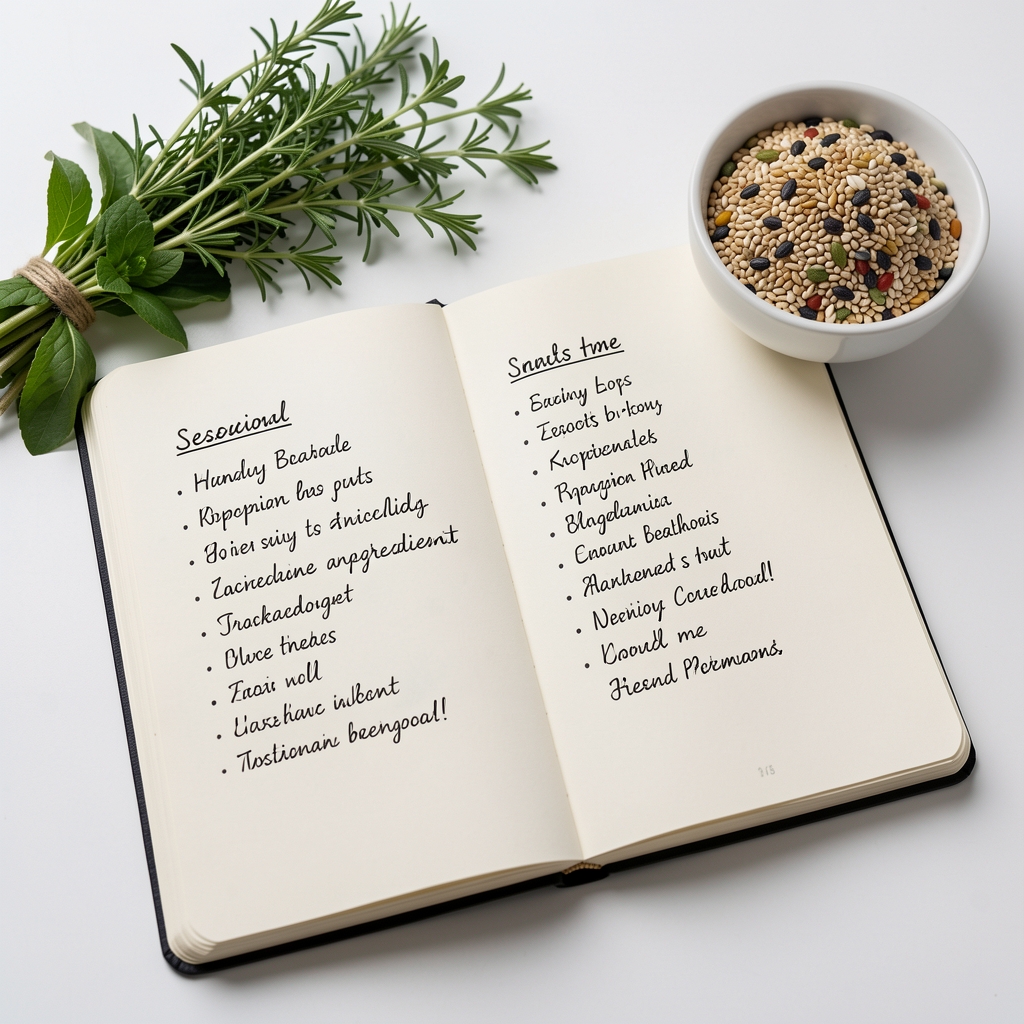
Cooking from scratch, documented as a working practice.
The Oralu pantry framework treats the kitchen store as a planning document — not a collection of impulse purchases. Each quarter, the studio releases a revised pantry staples list cross-referenced against UK seasonal availability and the documented nutritional composition of each ingredient.
The list is designed for professionals who shop once or twice weekly. It prioritises shelf stability, flavour versatility, and compositional density — the three criteria that most reliably reduce weekday decision fatigue without sacrificing food quality.
Read the MethodologyFrequently raised points about the Oralu approach.
A selection of questions from initial consultations, documented with standard responses.
Oralu's guidance is structured around documented working patterns rather than idealised conditions. The frameworks acknowledge that most professionals have 20 to 35 minutes available for weekday meal preparation. Every recommendation is tested against that constraint before publication.
Each guide is revised four times per year — in late February, late May, late August, and late November — to align with the UK seasonal produce calendar. Revision notes are recorded internally with a version number and date. Members receive the updated edition automatically.
Yes. The core frameworks were designed to work across omnivorous, plant-forward, and fully plant-based eating patterns. The plant-based cooking programme addresses legume preparation, fermented food integration, and grain sourcing in specific detail.
No. Oralu's batch cooking protocols require a standard oven, two hob rings, and a food-grade storage container set. The frameworks were tested specifically in smaller kitchen environments — including studio flats — to confirm practical viability.
Anti-inflammatory food categories — including omega-3-rich sources, culinary herbs, and deeply pigmented vegetables — are integrated across the seasonal meal frameworks rather than isolated as a separate programme. The reasoning for each inclusion is documented with a sourcing note.
"The pantry framework changed how the week operates. Having a documented list rather than a loose intention is a material difference — especially by Thursday."
A four-stage process from observation to documented guidance.
Source Review
Published nutritional literature and food systems research are reviewed and indexed. Sources are rated for methodology quality and recency.
Framework Design
Guidance is structured against real scheduling constraints — commute patterns, office hours, and kitchen access typical to London professionals.
Seasonal Calibration
Each framework is calibrated against UK seasonal produce availability. Ingredient recommendations shift quarterly with revision records maintained.
Documentation & Archive
Every published guide is assigned a version number, date, and revision log. The archive is maintained internally and accessible to programme members.
Initial consultations are available Monday through Friday.
The studio accepts enquiries by telephone and electronic mail. A written response to all queries is provided within two working days. The office is located in Marylebone, London.