How each programme is built, verified, and maintained over time.
The Oralu methodology is a documented sequence — from initial research through ingredient sourcing, framework composition, independent verification, and scheduled revision. Each step is traceable and open to review.
Six sequential steps that constitute a complete programme build.
The sequence is followed without variation for every programme. Steps are not compressed or combined under time constraints.
Literature Survey
Published nutritional research is identified and rated for methodology quality. Peer-reviewed studies, systematic reviews, and UK nutritional authority guidance documents are the primary source categories. Each source is recorded with a retrieval date and a brief methodology note. Sources rated as low-quality are excluded before the framework design stage begins.
Constraint Mapping
The working pattern constraints of the intended user group are documented before framework design begins. Constraints include average available kitchen time per weekday, commute duration, standard workplace lunch access, and typical weekend preparation window. Frameworks that cannot function within these constraints at the design stage are not progressed.
Ingredient Sourcing Record
Each ingredient recommended in a programme is cross-referenced against the UK seasonal produce calendar and assessed for standard retail availability in London. Active ingredients are sourced from documented suppliers, with each batch accompanied by a certificate of composition. Sourcing prioritises suppliers whose facilities maintain food-grade processing standards. The sourcing record is updated each revision cycle.
Framework Composition
The programme framework is written as a structured document, not a collection of recipes. It includes: a stated rationale linking to the literature survey, a weekly planning grid, an ingredient list with compositional notes, preparation time annotations, and a constraint-compliance statement confirming the programme was tested against the documented constraints from Step 02. All section headings are numbered for archive traceability.
Independent Batch Verification
Ingredient profiles are verified by an independent laboratory before publication. Verification covers compositional accuracy and labelling alignment with the programme document. The verification report reference number is recorded in the programme archive entry. Ingredient profiles in Oralu programmes are selected based on published nutritional research and undergo independent batch verification for quality and labelling accuracy.
Archive Entry & Revision Schedule
On publication, each programme receives an archive entry: a revision number (format: P[programme number]-R[revision number]), a publication date, and a scheduled review date for the following season. All prior editions are retained in the internal archive with their full documentation. No edition is deleted or overwritten — previous versions remain accessible under their original revision numbers.
Ingredient sourcing is documented at every stage.
The standard applied to ingredient selection is consistent across all programmes. It does not vary by season, programme type, or client context.
Supplier Documentation Requirement
Every ingredient supplier is required to provide a certificate of composition for each batch supplied. The certificate records ingredient identity, compositional breakdown, and the date of composition assessment. Certificates are filed in the programme archive under the relevant revision entry.
Food-Grade Processing Standard
Sourcing prioritises suppliers whose facilities maintain food-grade processing standards throughout production. Processing environment documentation is requested from new suppliers before their ingredients appear in a programme.
Seasonal Sourcing Alignment
Whole food ingredients are selected in alignment with the UK seasonal produce calendar. Recommendations shift each quarter to reflect what is at peak compositional quality in the current season. Ingredients that require import outside their natural availability window are noted in the framework.
Chain-of-Custody Traceability
Where origin-specific ingredients are recommended, the programme records the named region of origin and the supply chain intermediaries between producer and retail point. This chain-of-custody record is available in the programme archive on request.
Four scheduled revision windows each calendar year.
Each revision window covers all active programmes. Revisions address seasonal ingredient updates, new published research findings, and any documented constraint-compliance failures from the preceding period.
January — March
Winter produce alignment. Root vegetable and brassica emphasis. Energy metabolism focus for reduced daylight periods. Literature review for Q4 preceding year.
April — June
Spring produce transition. Legume and green leaf introduction. Batch cooking frameworks updated to reflect longer available daylight and improved market access.
July — September
Peak UK harvest season. Broadest ingredient availability. Fermented food preparation guidance updated. Plant-based frameworks expanded for summer produce variety.
October — December
Autumn transition and winter preparation. Slow cooking and warming grain protocols introduced. Pantry staples guidance updated for shorter shopping windows during the holiday period.
Independent assessment at each programme publication.
Third-Party Laboratory Analysis
Compositional assessment of key ingredients is conducted by an independent, accredited laboratory before each programme revision is published. The analysis covers declared compositional values and identifies any variance from supplier documentation.
Labelling Accuracy Review
Every programme document is reviewed against UK food information regulations before publication. Labelling statements, allergen declarations, and compositional claims are checked for regulatory alignment with current UK guidance.
Constraint-Compliance Testing
Each revised framework is tested against the documented working-pattern constraints before publication. A compliance statement is recorded confirming the framework was executable within the stated time and access parameters.
The supplier framework governing ingredient procurement.
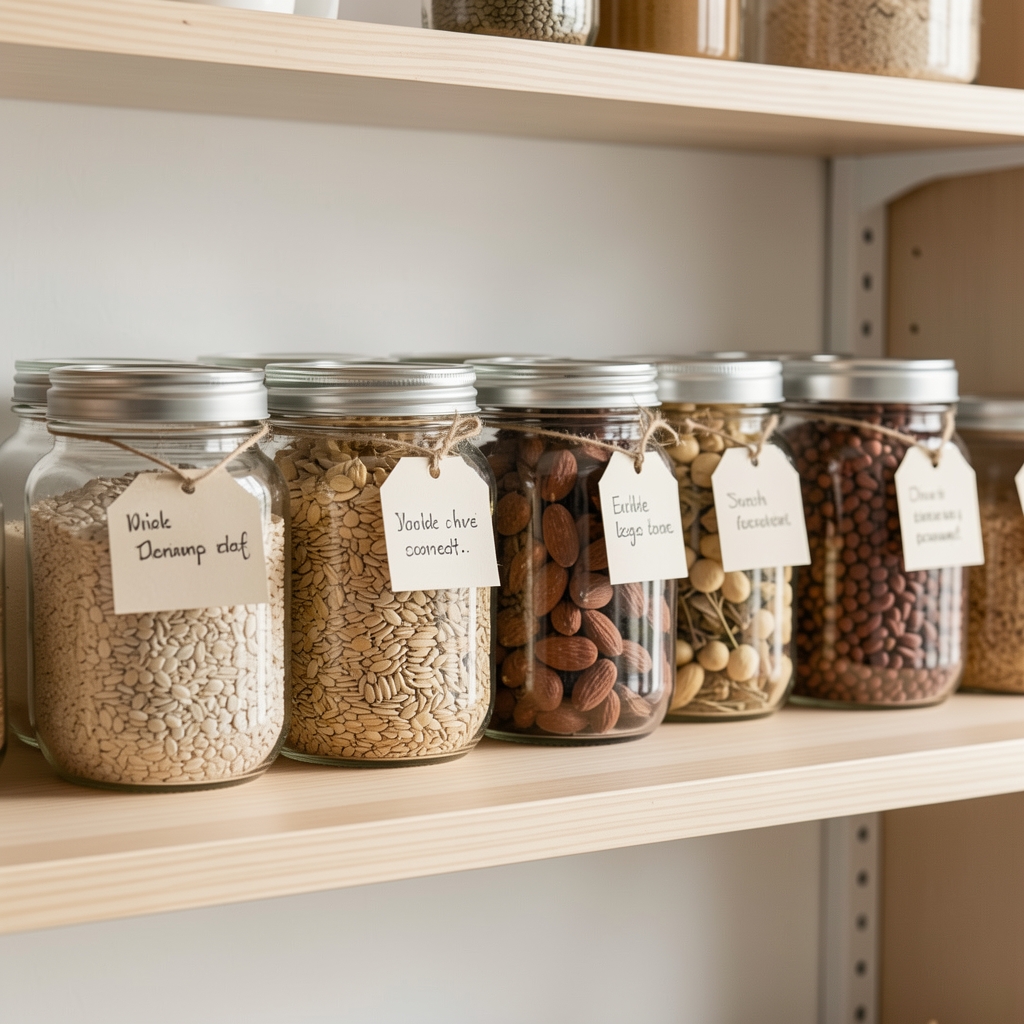
Oralu does not source from a single supplier for any ingredient category. A minimum of two approved suppliers is maintained for each primary ingredient type used across the programme range. This practice provides sourcing continuity across seasonal transitions and eliminates single-source dependency on any procurement category.
New suppliers are assessed against a written checklist before approval. The checklist covers: business registration in the United Kingdom or the European Economic Area, a documented food-grade processing environment, availability of lot-coded ingredient records, and willingness to supply composition certificates on a per-batch basis. Suppliers who cannot meet all four criteria are not approved.
Approved suppliers are reviewed annually. The review cross-references the prior year's composition certificates against the declared ingredient profiles and notes any variance pattern. Suppliers with recurring variance are placed on a probationary period and subject to enhanced batch verification before the next programme revision.
Food quality over ingredient quantity. Every programme reflects this in its construction.
The guiding construction principle of every Oralu programme is that ingredient quality — provenance, freshness, minimal processing, and compositional integrity — generates more sustained nutritional value than increasing the number of ingredients consumed. Frameworks are therefore built to use fewer, better-sourced ingredients at appropriate portions, rather than expansive ingredient lists with variable quality.
This principle is applied at the composition stage, the sourcing stage, and the constraint-mapping stage. It is also the primary criterion by which proposed revisions are assessed during the quarterly review.
Frequently asked questions about the methodology.
Questions about the methodology are answered by written correspondence.
The studio responds to methodology enquiries within two working days. Documentation from any stage of the methodology process is available on request for members.
Contact the Studio